Quick summary
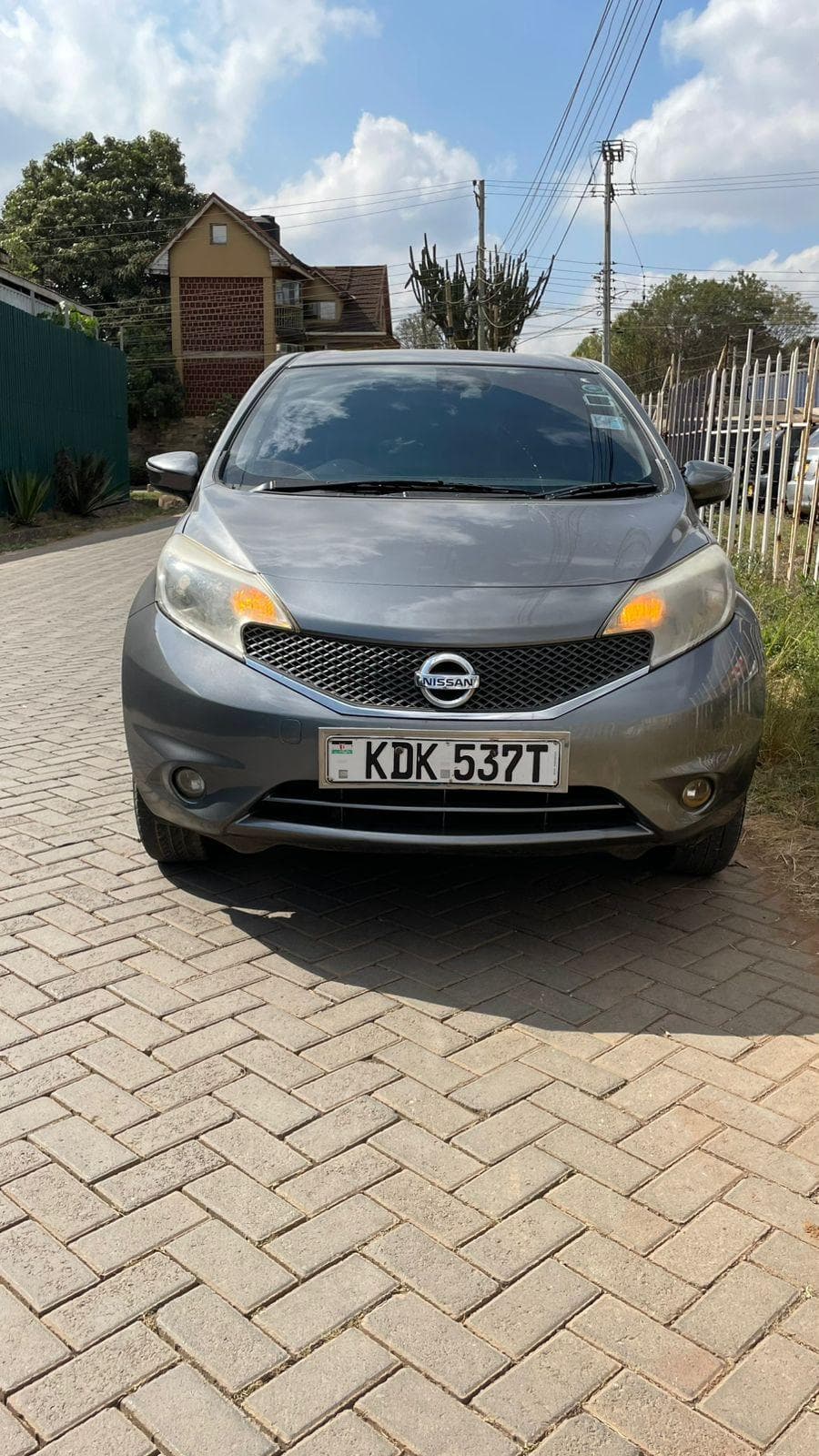
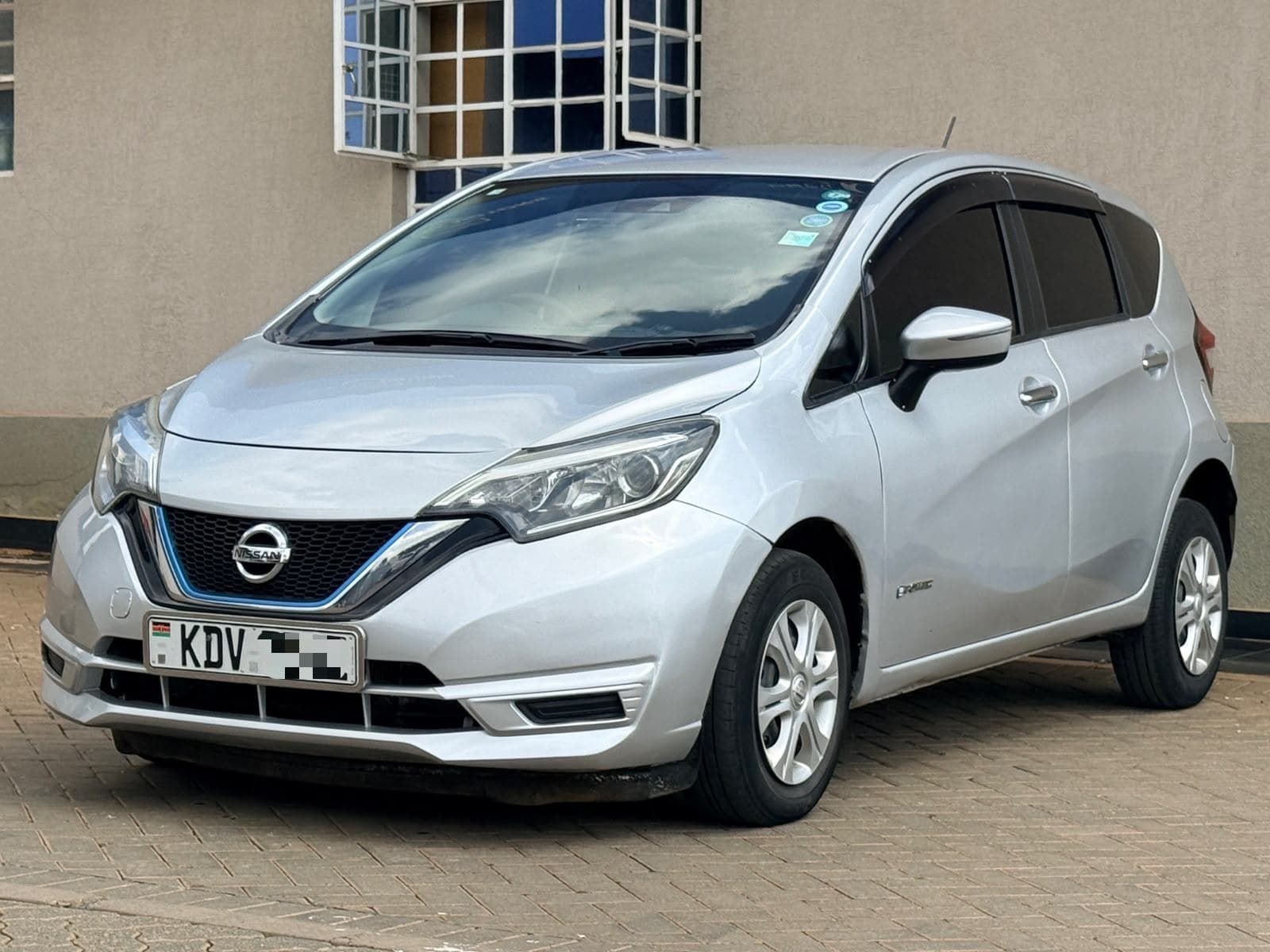
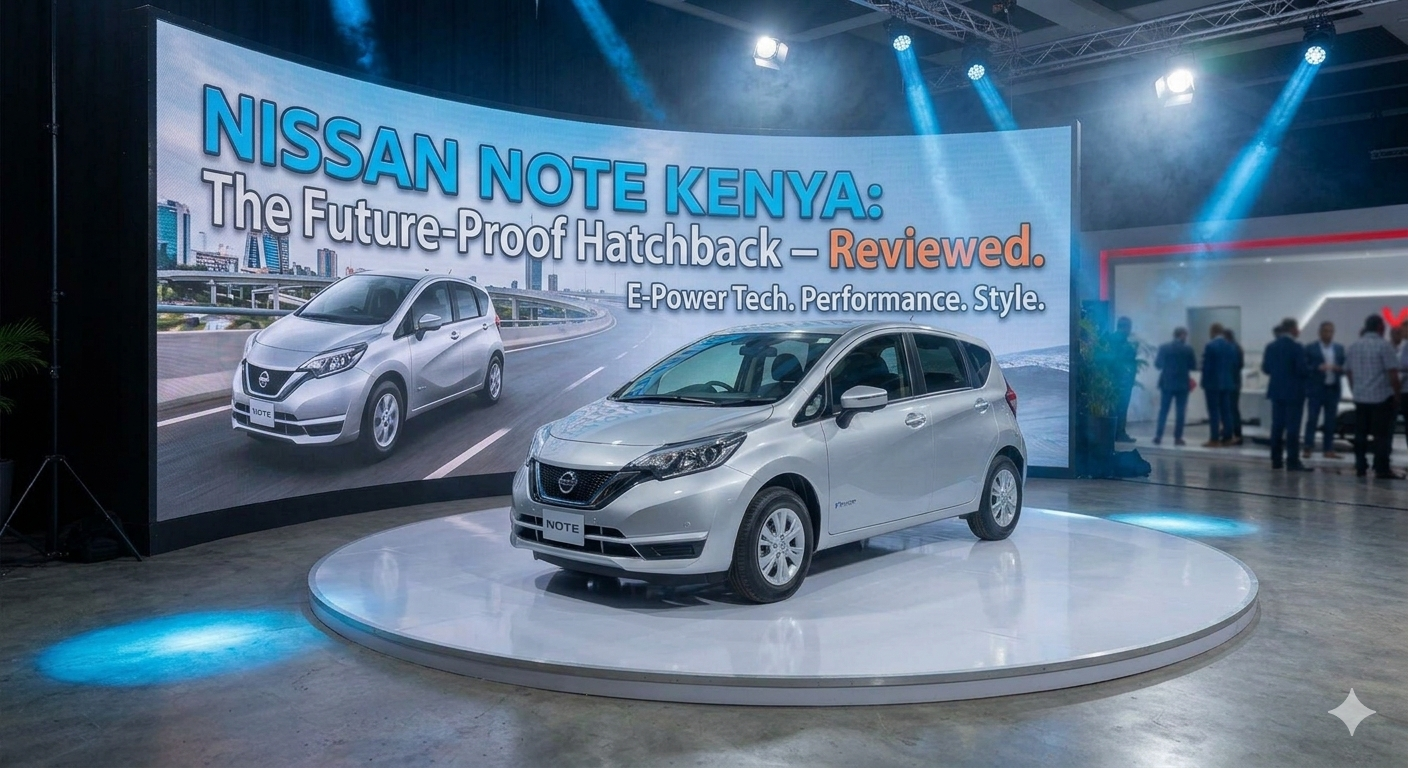
The Nissan Note is a compact hatchback with several generations and powertrain options. Japanese-market E12 models are particularly common in Kenya and include petrol, DIG-S and e-POWER versions. The e-POWER system is the standout — a series hybrid that uses a petrol engine to generate electricity for an electric drive system, delivering exceptional city fuel economy.
Key specifications
| Feature | Detail |
|---|---|
| Body | 5-door hatchback |
| Seats | 5 |
| Engines | 1.2L–1.6L petrol across major generations; e-POWER hybrid |
| Transmission | Manual, automatic or CVT depending on generation |
| e-POWER | Petrol engine generates electricity for electric drive |
Generations
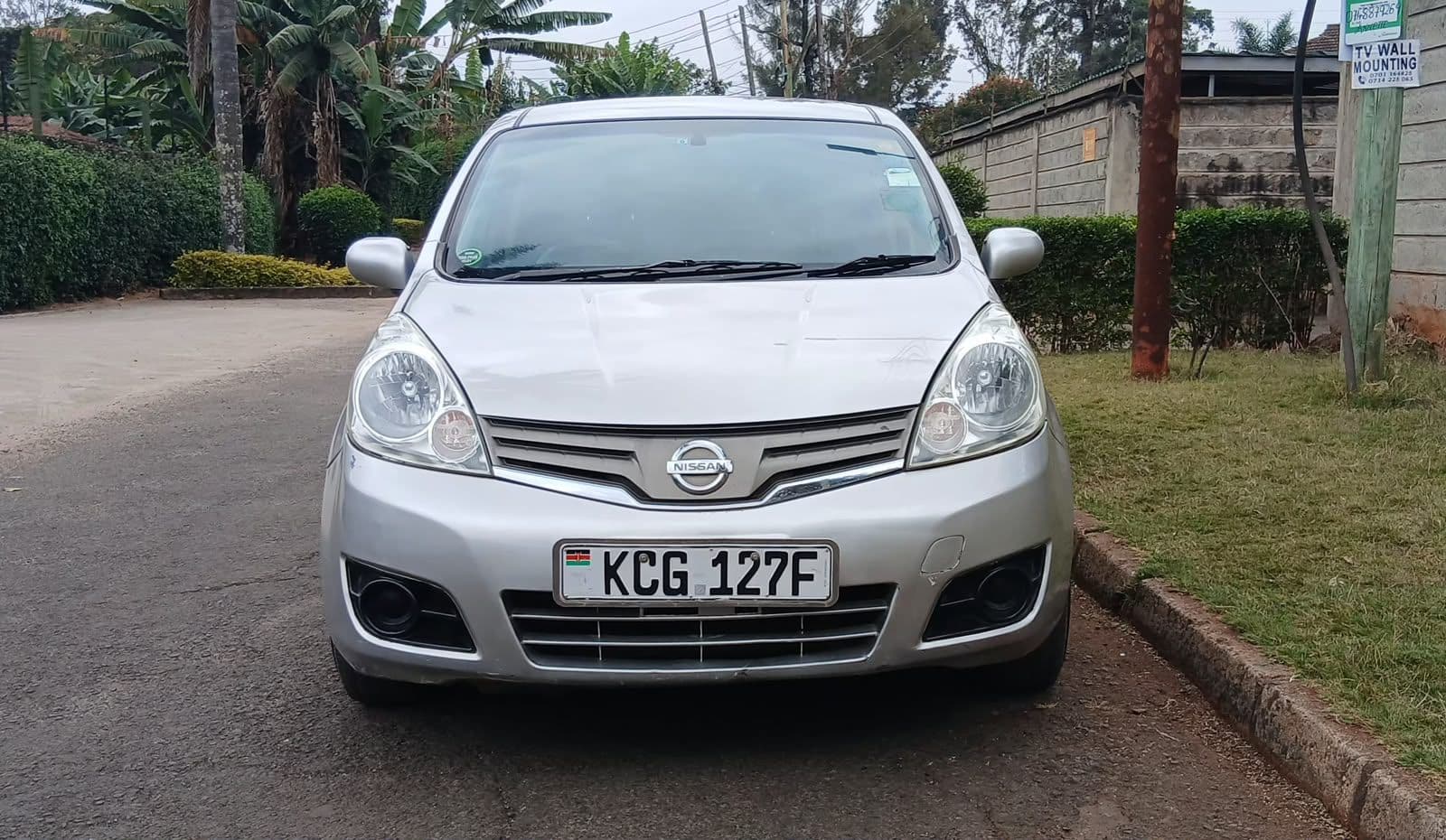
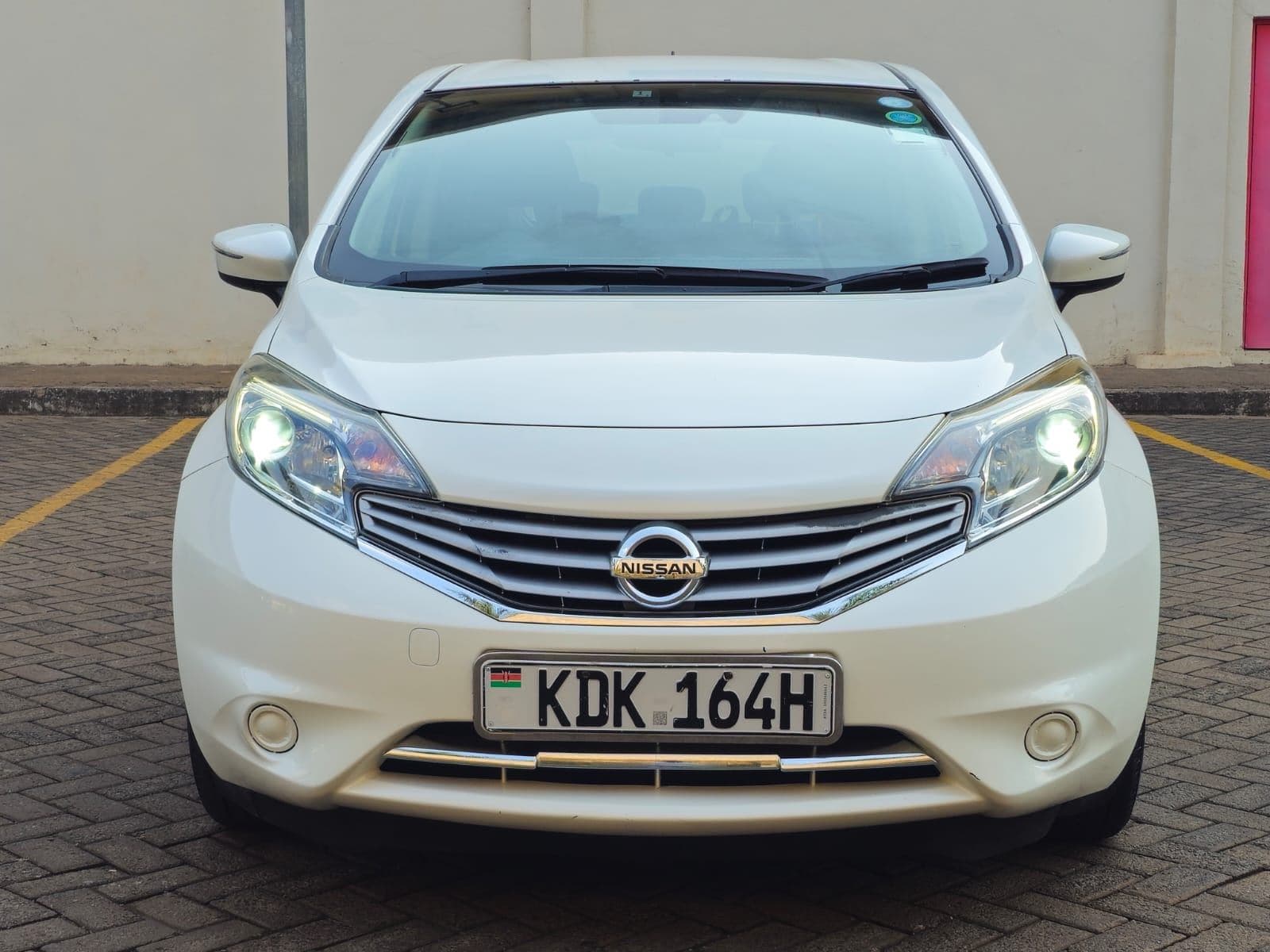
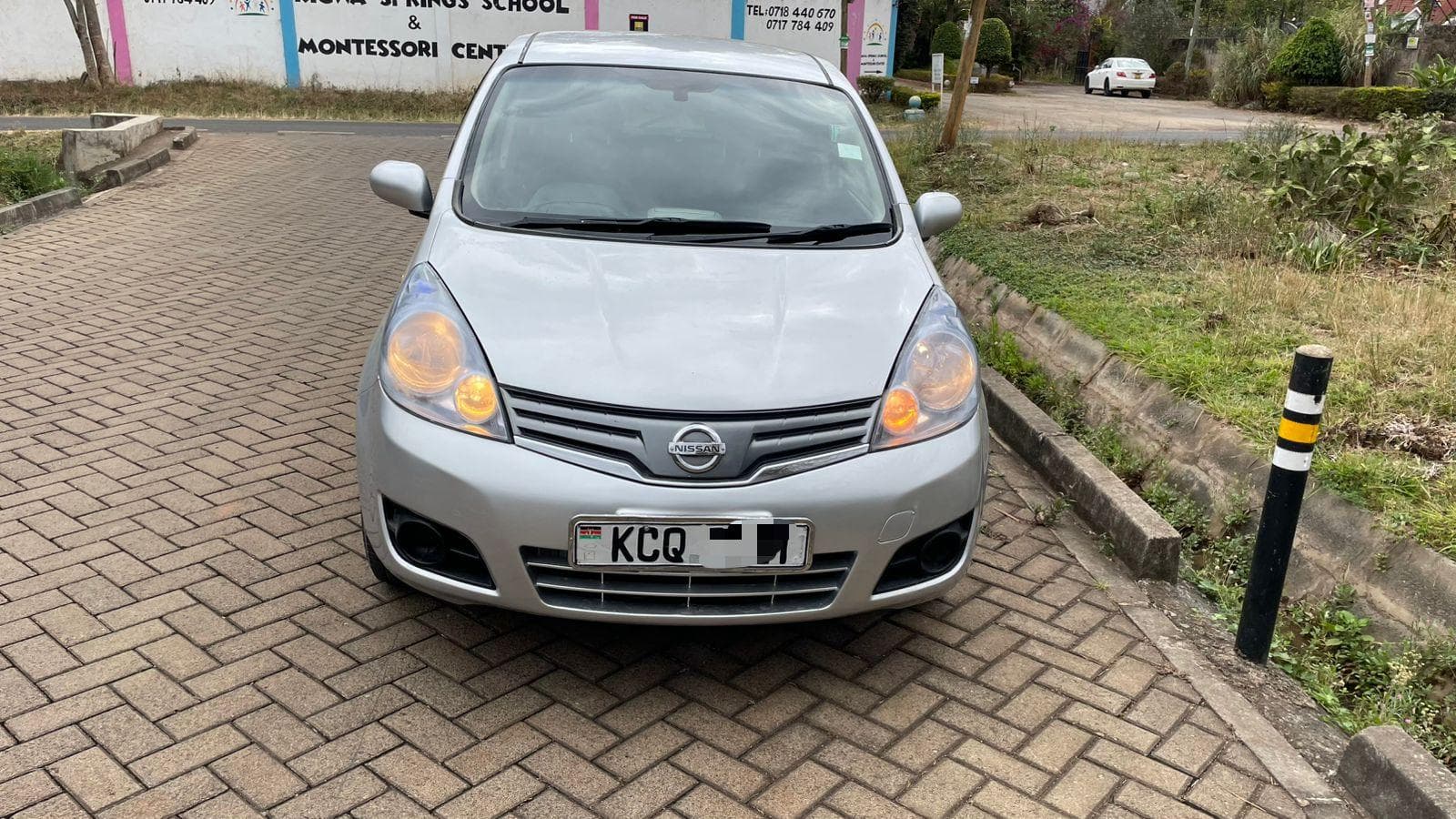
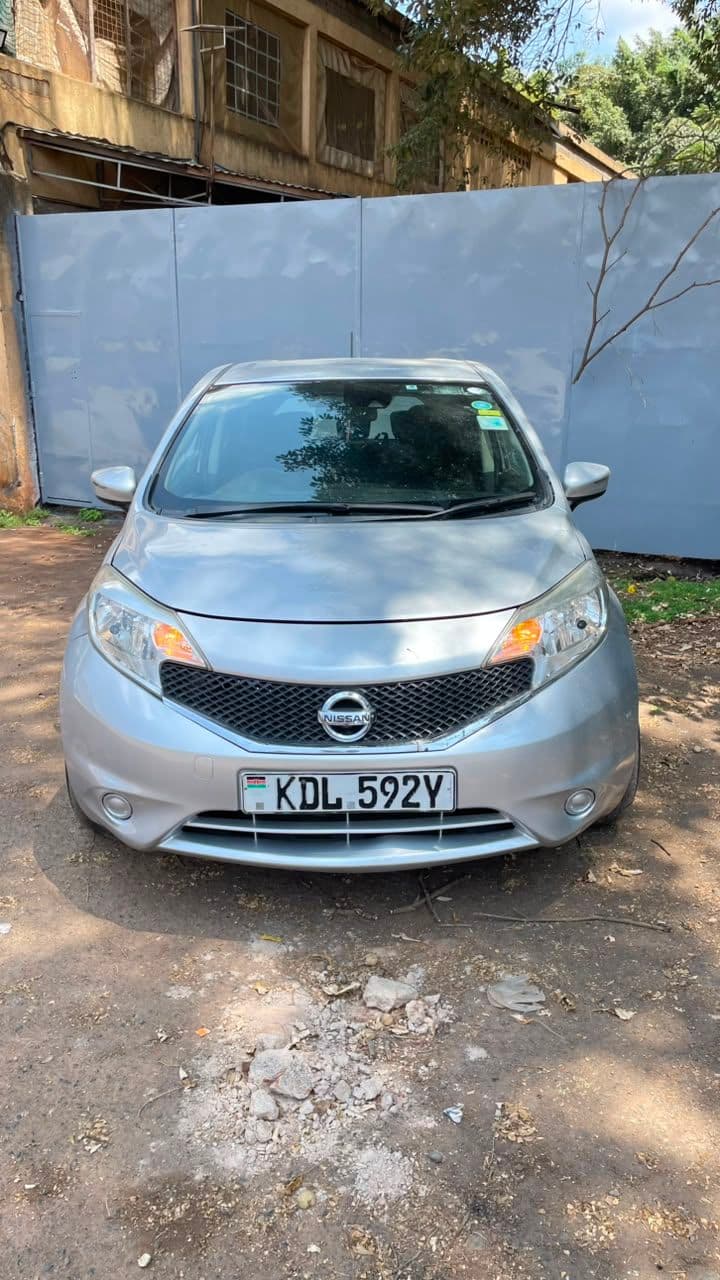
The first-generation Note arrived in the mid-2000s. The second generation launched in 2012 and introduced 1.2L engines, DIG-S and, later, e-POWER in Japan. The third-generation E13 arrived in Japan in 2020 with e-POWER as a major powertrain.
Kenya price guide — 2026
| Model Year | Asking Price Range | Notes |
|---|---|---|
| 2016 | KSh 880,000 | e-Power observed |
| 2017 | KSh 1,075,000 – 1,100,000 | e-Power examples |
| 2018 | KSh 980,000 – 1,400,000 | Market range |
| 2019 | KSh 1,150,000 – 1,750,000 | Fresh imports |
Current Kenyan observations range from approximately KSh 490,000 for a 2012 petrol Note to around KSh 1.38M for a 2019 Medalist fresh import. 2017 e-POWER examples have been observed around KSh 1.075M–1.099M.
Fuel economy: what to expect
- Petrol models: 15–20 km/L mixed use
- e-POWER models: 20–30 km/L in city driving
The e-POWER is significantly more economical in Nairobi traffic because the petrol engine runs at optimal efficiency to generate electricity, and the electric motor handles the stop-start driving. This makes the Note e-POWER one of the most fuel-efficient cars in its class.
What to inspect
- CVT condition where fitted
- e-POWER electrical system where fitted
- Engine condition
- Cooling system
- Suspension and steering
- Accident and flood history